
Managing logistics operations involves more than moving products from one location to another. Businesses must coordinate warehouse storage, inventory management, order processing, transportation, and deliveries while ensuring that daily operations run smoothly.
For many businesses in Singapore, handling all these activities internally can require significant time, resources, infrastructure, and manpower. As order volumes increase and customer expectations change, managing logistics independently may become more challenging.
This is why businesses consider hiring a third-party logistics provider (3PL). A 3PL provider supports companies with selected logistics activities, allowing them to outsource operational responsibilities instead of managing every process in-house.
From warehouse storage and transportation to inventory handling and e-commerce fulfilment, the right 3PL partner can help businesses organise their supply chain operations more effectively.
But what are the actual benefits of hiring a 3PL provider in Singapore? And how can businesses decide whether outsourcing logistics is the right choice?
Let’s explore the key advantages and considerations.
What Is a 3PL Provider?
A third-party logistics provider, commonly known as a 3PL provider, is an external company that manages specific logistics activities on behalf of another business.
Instead of investing in and operating every logistics function independently, a business can outsource selected services to a specialist provider.
Depending on the provider’s capabilities and service agreement, 3PL services may include:
- Warehouse storage and inventory handling.
- Receiving, sorting, and organising products.
- Picking and packing orders.
- E-commerce order fulfilment.
- Transportation and distribution.
- Warehouse-to-warehouse movement.
- Returns management.
- Warehouse manpower support.
For example, an e-commerce business may store its products at a third-party warehouse, use the provider’s agreed fulfilment services to prepare orders, and coordinate transportation for delivery.
A 3PL arrangement can cover one service or multiple logistics activities, depending on the business’s requirements.
8 Benefits of Hiring a 3PL Provider in Singapore
1. Reduce Logistics Infrastructure and Operating Costs
Operating logistics activities internally can require substantial investment. Businesses may need to arrange warehouse space, storage equipment, vehicles, inventory systems, maintenance, utilities, and warehouse manpower.
These expenses can become difficult to manage, particularly for small and medium-sized businesses that are still growing.
Hiring a 3PL provider gives businesses access to selected logistics facilities and services without having to establish every resource themselves.
For example, instead of leasing and managing a separate warehouse, a company may use an external warehouse storage service based on its inventory requirements.
Outsourcing may also help businesses avoid certain upfront infrastructure investments. However, the actual cost savings depend on storage volume, service charges, contract terms, handling requirements, and transportation needs.
Businesses should compare the complete cost of outsourcing with the cost of operating their own logistics facilities before making a decision.
2. Access Professional Warehousing Services
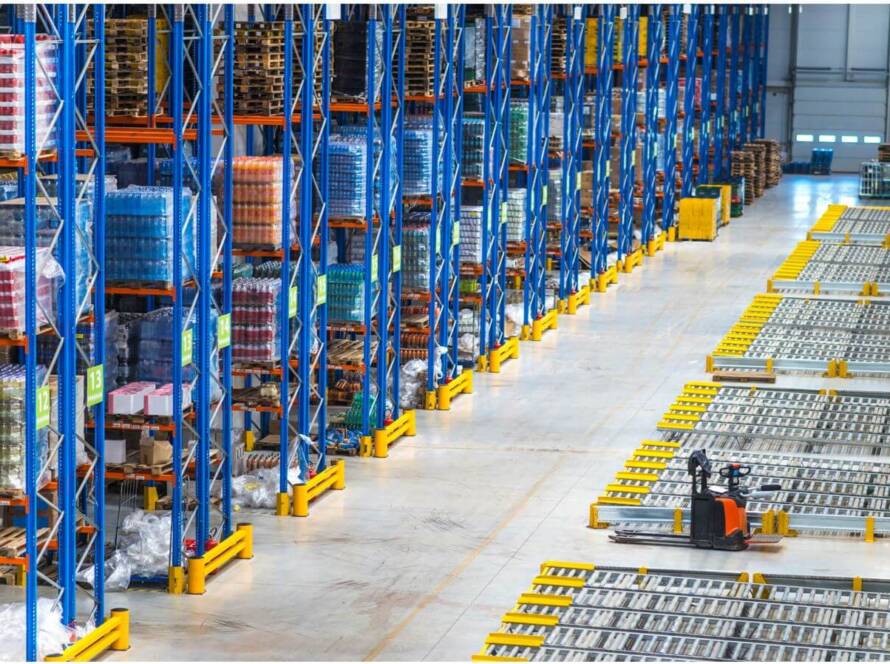
Warehouse management plays an important role in maintaining an organised supply chain. Businesses need suitable storage arrangements, accurate inventory records, and efficient processes for receiving and handling products.
Managing these activities independently can require trained employees, proper facilities, and ongoing supervision.
A 3PL provider offering warehousing services can give businesses access to established storage facilities and agreed warehouse operations.
Depending on the service arrangement, this may include:
- Receiving and handling incoming products.
- Organising inventory within designated storage areas.
- Stock recording and inventory updates.
- Picking and packing support.
- Preparing products for dispatch.
- Coordinating warehouse activities.
This can help businesses manage inventory without taking full responsibility for operating their own warehouse.
For companies looking for warehouse storage in Singapore, outsourcing may be a practical option when internal storage space becomes insufficient or warehouse management requires additional resources.
3. Improve Inventory Management and Visibility
Inventory management is essential for businesses that handle regular product movement. Without accurate stock information, companies may experience inventory discrepancies, misplaced products, stock shortages, or unnecessary excess inventory.
A suitable 3PL arrangement can support more organised inventory handling through established warehouse procedures and reporting systems.
Depending on the provider’s capabilities, businesses may benefit from:
- Structured inventory receiving procedures.
- Designated storage locations.
- Regular stock records and updates.
- Inventory movement tracking.
- Stock count and discrepancy reporting.
Better inventory visibility helps businesses understand their available stock and make informed decisions about replenishment and purchasing.
Before selecting a 3PL provider, businesses should ask how inventory information is recorded, how frequently reports are shared, and how stock discrepancies are investigated.
4. Support Business Growth and Changing Demand
Business requirements can change as product sales increase, new customers are acquired, or additional product categories are introduced.
A company operating its own warehouse may need to find more space, recruit additional employees, purchase equipment, or adjust its logistics infrastructure to accommodate growth.
Working with a 3PL provider can offer an alternative. Businesses may be able to access additional storage and operational support without immediately establishing a larger warehouse.
This can be particularly useful for:
- Growing e-commerce businesses.
- Importers and distributors.
- Retail and wholesale companies.
- Businesses with seasonal inventory.
- Companies expanding their product ranges.
However, scalability depends on the provider’s available capacity, service coverage, and contractual terms. Businesses should discuss future storage and handling requirements before signing an agreement.
5. Improve E-commerce Order Fulfilment
E-commerce businesses need to manage several activities after receiving an online order. These include checking inventory, picking the correct products, packing orders, preparing dispatch, and coordinating delivery.
When order volumes increase, managing these processes internally can put additional pressure on warehouse space and manpower.
A 3PL provider offering e-commerce fulfilment services can support selected stages of this process.
For example, an online seller may store products at a third-party warehouse and arrange for orders to be picked, packed, and prepared for dispatch according to agreed procedures.
This allows the business to focus on product management, marketing, customer service, and sales while outsourcing selected fulfilment activities.
When evaluating an e-commerce 3PL provider, businesses should check its inventory reporting, order processing procedures, picking accuracy, packing capabilities, returns handling, and transportation arrangements.
For more information, read our guide to turnkey fulfilment services in Singapore.
6. Access Flexible Warehouse Manpower Support
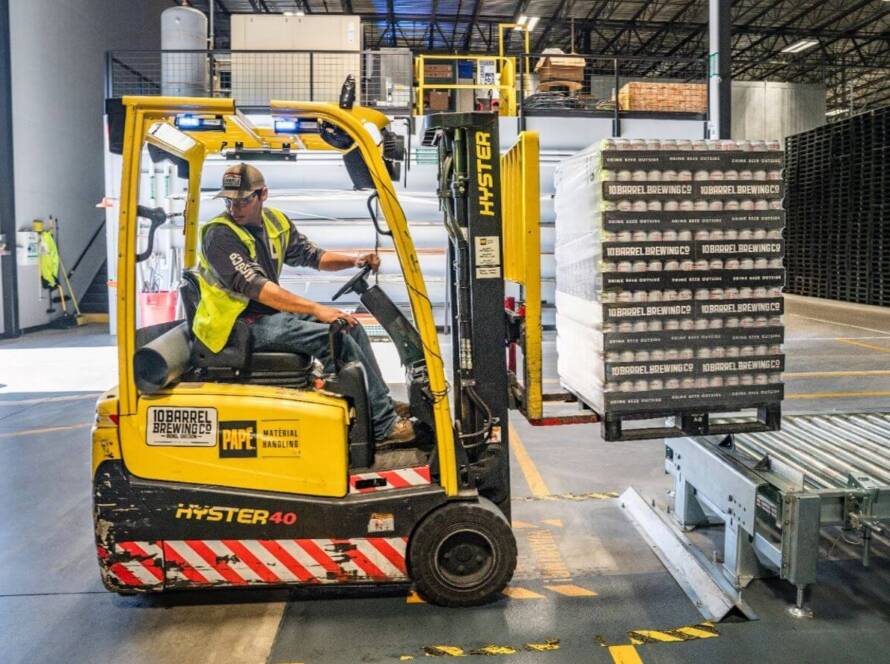
Warehouse operations depend on having enough workers to handle receiving, sorting, inventory movement, picking, packing, and dispatch activities.
However, staffing requirements may change depending on order volumes, seasonal demand, and business activities. Maintaining a fixed workforce for every possible workload can increase operational costs.
Some 3PL providers offer warehouse manpower support as part of their logistics services or through separate service arrangements.
Depending on the agreed requirements, this may help businesses access support for:
- General warehouse operations.
- Product handling and sorting.
- Loading and unloading activities.
- Inventory handling.
- Picking and packing.
- Temporary or contract manpower requirements.
This can help businesses manage changing workloads and reduce the responsibility of arranging every warehouse staffing requirement internally.
Businesses should confirm worker availability, responsibilities, supervision arrangements, and applicable employment and workplace safety requirements before engaging manpower services.
7. Coordinate Warehousing and Transportation
Warehousing and transportation are closely connected. Products need to move between suppliers, warehouses, distribution locations, and customers.
When these activities are managed by different providers, businesses may need to coordinate multiple schedules, contacts, and operational requirements.
A 3PL provider that offers both warehousing and transportation can help simplify coordination between these activities.
For example, businesses may be able to arrange warehouse-to-warehouse transportation, coordinate the movement of incoming products, and plan dispatch requirements through a single logistics partner.
This can reduce the complexity of dealing with separate service arrangements. However, delivery performance still depends on scheduling, route planning, vehicle availability, and the agreed service levels.
Businesses should assess whether the provider’s transportation capabilities match their delivery locations, product requirements, and operating schedules.
Read more about how 3PL providers improve coordination between warehousing and transportation.
8. Focus More on Core Business Activities
Managing logistics internally can take considerable time and attention from business owners and operational teams.
Employees may need to coordinate warehouse activities, monitor stock movements, arrange transportation, manage staffing requirements, and resolve fulfilment issues.
Outsourcing selected logistics responsibilities can reduce the amount of daily operational work handled internally.
For example, a wholesale business may use an external provider for product storage and transportation while its internal team focuses on supplier relationships, sales, and customer requirements.
A 3PL arrangement does not eliminate the need for business oversight. Companies should continue monitoring service quality, inventory accuracy, costs, and agreed performance standards.
However, delegating suitable logistics activities can give internal teams more time to concentrate on business priorities.
Which Businesses Should Hire a 3PL Provider in Singapore?
A 3PL provider can support businesses across different industries. The suitability of outsourcing depends on inventory volume, product type, storage requirements, order frequency, and internal resources.
Here are some examples.
E-commerce businesses: Online sellers that need warehouse storage, inventory handling, picking, packing, and order fulfilment support.
Wholesale businesses: Companies managing bulk orders, large product quantities, and regular distribution requirements.
Importers and distributors: Businesses that need storage facilities and transportation support to manage incoming and outgoing products.
Retail businesses: Companies looking for additional inventory storage and support during seasonal demand.
Manufacturers: Businesses that need support storing products or coordinating the movement of finished goods between locations.
Small and medium-sized enterprises: Companies that want access to logistics facilities and operational support without independently building every capability.
A 3PL provider may also be useful for established companies that want to review their existing logistics arrangements and outsource selected activities.
How to Choose the Right 3PL Provider in Singapore ?
Not every 3PL provider offers the same services. Some specialise in warehousing, while others focus on transportation, e-commerce fulfilment, or integrated logistics support.
Choosing the right provider requires understanding your operational needs and comparing them with the services available.
Consider these factors before making a decision.
1. Identify Your Logistics Requirements
Start by identifying which activities you want to outsource. Do you need warehouse storage only, or do you also require inventory handling, manpower, transportation, and order fulfilment?
A clear list of requirements will help you compare providers more accurately.
2. Check Warehouse Facilities and Capacity
If storage is part of your requirement, review the provider’s available space, storage arrangements, product-handling procedures, and ability to accommodate future inventory growth.
Make sure the facility is suitable for the type of products your business handles.
3. Understand Pricing and Contract Terms
Request a detailed quotation covering storage charges, receiving fees, handling costs, picking and packing, transportation, and any additional services.
Also review minimum commitments, billing methods, contract duration, and termination conditions.
4. Review Inventory Management Processes
Ask how the provider records stock movements, updates inventory information, conducts stock checks, and handles discrepancies.
Clear reporting procedures are important for maintaining inventory visibility.
5. Evaluate Transportation Capabilities
If your business needs regular product movement, check the provider’s transportation services, delivery coverage, scheduling procedures, and ability to support your operational requirements.
6. Check Communication and Service Standards
A suitable logistics partner should provide clear communication, defined responsibilities, and agreed service expectations.
Discuss how operational issues will be reported, who will handle them, and how performance will be reviewed.
3PL vs In-House Logistics: Which Is Better?
Both in-house logistics and third-party logistics have advantages. The right approach depends on your business requirements, operational resources, and long-term plans.
| Factor | 3PL logistics | In-house logistics |
| Infrastructure | Uses the provider’s agreed facilities and resources | Requires the business to arrange its own facilities |
| Staffing | Selected manpower activities can be outsourced | Business manages its own workforce |
| Operational control | Shared according to the service agreement | Greater direct control over daily activities |
| Cost structure | Service-based charges depending on requirements | Direct facility, equipment, staffing, and operating expenses |
| Scalability | May provide access to additional capacity when available | Expansion requires additional internal resources |
| Management | Some logistics responsibilities are delegated | Most logistics activities remain internally managed |
Some businesses may benefit from a combination of both approaches. For example, they can manage specialised operations internally while outsourcing warehouse storage or transportation.
The best option is the one that supports operational requirements without creating unnecessary costs or complexity.
How MAK Logistic Supports Businesses with 3PL Services in Singapore?
Choosing the right logistics partner can help businesses organise their storage, manpower, and transportation requirements more effectively.
MAK Logistic provides logistics solutions in Singapore to support businesses with different operational needs.
Our services include:
- Warehouse storage: Storage support for business inventory and products.
- Warehouse services: Assistance with agreed warehouse handling and operational activities.
- E-commerce fulfilment: Support for product storage, picking, packing, and order processing requirements.
- Warehouse manpower supply: Permanent, temporary, and contract manpower arrangements.
- Transportation services: Support for product movement, including warehouse-to-warehouse and other transportation requirements.
By bringing relevant logistics services together, businesses can explore an arrangement that suits their storage, handling, and transportation needs.
Whether you are looking for additional warehouse space, e-commerce fulfilment support, or warehouse manpower, MAK Logistic can help you discuss the available options.
Explore our 3PL services in Singapore or contact our team to discuss your requirements.
Contact MAK Logistic
Phone: +65 9451 1179
Email: info@maklogistic.com
Website: https://maklogistic.com/
Conclusion
Hiring a 3PL provider in Singapore can help businesses manage logistics activities without taking full responsibility for every warehouse and transportation operation.
From accessing warehouse storage and improving inventory management to supporting e-commerce fulfilment and coordinating transportation, the right logistics partner can help businesses organise their operations and respond to changing requirements.
However, the benefits depend on the provider’s capabilities, service agreement, and the specific needs of your business. Taking time to compare service scope, pricing, facilities, and operational processes is essential before making a decision.
If your business is looking for warehouse storage, manpower, e-commerce fulfilment, or transportation support in Singapore, MAK Logistic is ready to discuss your logistics requirements.