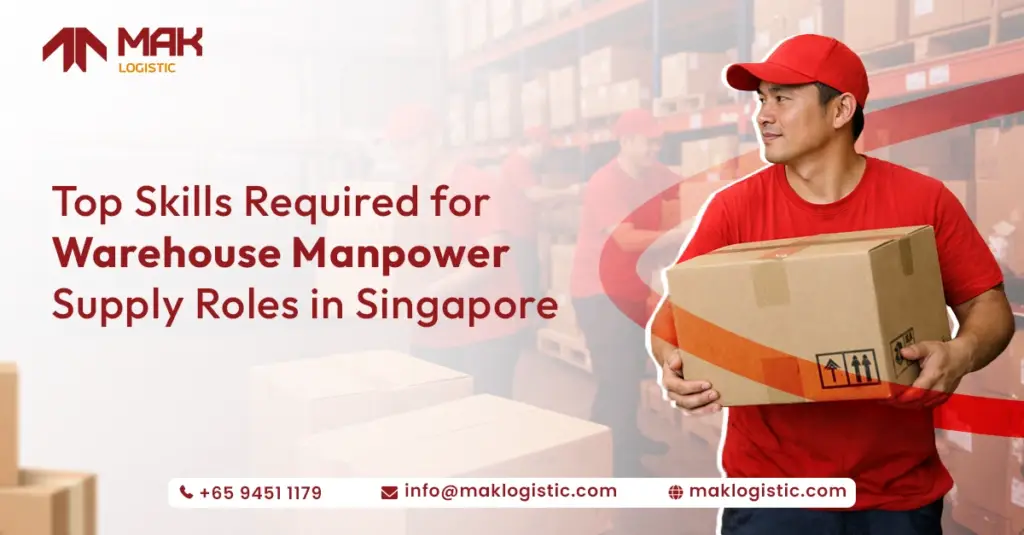
Singapore is one of the most important logistics hubs in Asia. The country handles large volumes of international trade and e commerce shipments every day. Because of this growth, many businesses depend on skilled warehouse manpower to maintain efficient warehouse operations.
For business owners, hiring the right warehouse manpower in Singapore is essential for inventory handling, order fulfillment, and smooth supply chain movement. Without trained workers, warehouses can experience delays, inventory errors, and operational disruptions.
At MAK Logistic Singapore, we work closely with logistics companies and warehouse operators to supply trained manpower that supports daily warehouse operations.
This article explains the top skills required for warehouse manpower supply roles in Singapore and why these skills are important for modern warehouse environments.
Understanding Warehouse Manpower Roles in Singapore
Warehouse manpower in Singapore supports the daily operations of warehouses and distribution centers. These workers handle important tasks that keep goods moving through the supply chain.
Common warehouse manpower roles include:
- Warehouse assistants
- Pickers and packers
- Inventory support staff
- Forklift operators
- Loading and unloading staff
According to industry data from Enterprise Singapore and the Singapore Logistics Association, the logistics sector employs thousands of workers across warehouse operations, freight services, and supply chain management.
As warehouse demand increases, businesses require trained manpower that understands warehouse processes and operational workflows.
1. Inventory Management Skills
Inventory management is one of the most important skills for warehouse workers.
Warehouse manpower must understand how to organize, store, and track products inside the warehouse. Proper inventory handling helps businesses prevent stock errors and maintain accurate records.
Important inventory related abilities include:
- Identifying product labels and codes
- Storing goods in the correct warehouse locations
- Updating stock records
- Checking inventory quantities during order preparation
Workers with strong inventory handling skills help warehouses maintain smooth operations.
2. Basic Warehouse Technology Knowledge
Modern warehouses in Singapore often use digital systems to manage inventory and track shipments.
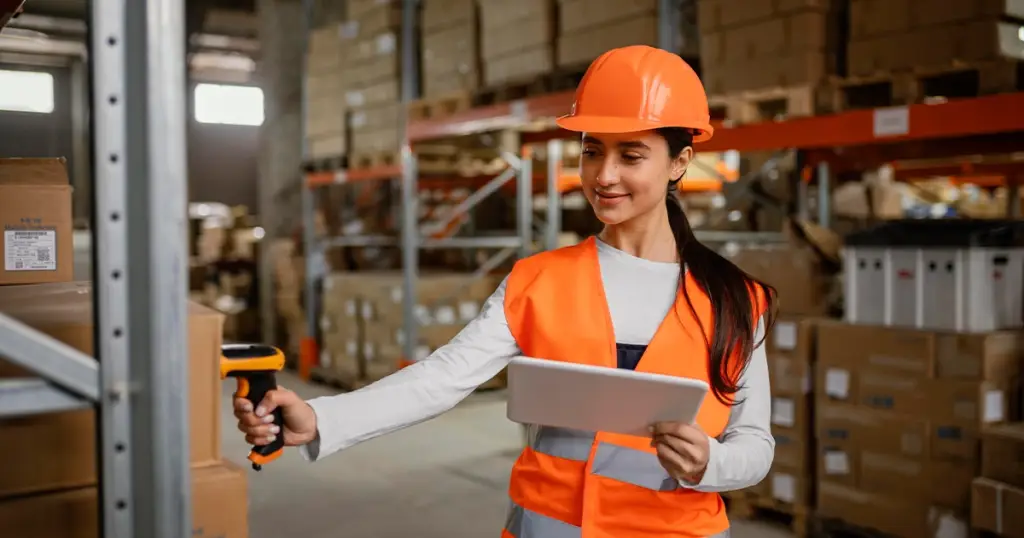
Warehouse workers should understand how to use basic warehouse tools such as barcode scanners and warehouse management systems.
Important technology related skills include:
- Using handheld barcode scanners
- Updating order details in warehouse systems
- Following digital picking instructions
- Recording incoming and outgoing goods
Workers who understand warehouse technology can complete tasks more efficiently and reduce operational mistakes.
Training institutions such as The Logistics Academy Singapore help develop skilled logistics professionals by providing courses that support warehouse operations and supply chain management.
3. Physical Fitness and Stamina
Warehouse work involves physical activity. Workers may need to lift packages, move inventory, and stand for long periods during shifts.
Good physical stamina allows workers to maintain productivity while performing warehouse tasks.
Common physical tasks include:
- Lifting boxes and products
- Moving goods between storage areas
- Loading and unloading delivery vehicles
- Organizing products on storage racks
Proper training helps workers perform these tasks safely.
4. Attention to Detail
Attention to detail is essential in warehouse environments.
Small mistakes in order picking or product labeling can lead to shipment delays and customer complaints. Accurate order preparation ensures that customers receive the correct items.
Warehouse workers should focus on:
- Accurate order picking
- Verifying product quantities
- Checking shipment labels
- Ensuring proper packaging
Businesses benefit from workers who consistently maintain accuracy in warehouse tasks.
5. Safety Awareness
Warehouse environments include equipment, moving vehicles, and stacked inventory. Workers must follow safety practices to prevent workplace accidents.
Important safety awareness skills include:
- Following warehouse safety procedures
- Using protective equipment when required
- Practicing safe lifting techniques
- Maintaining organized workspaces
Safety awareness helps create a secure working environment for warehouse teams.
6. Teamwork and Communication
Warehouse operations depend on coordination between different teams. Workers must communicate clearly with supervisors and other warehouse staff.
Teamwork helps warehouses handle high order volumes efficiently.
Communication related skills include:
- Understanding supervisor instructions
- Reporting damaged goods or stock issues
- Coordinating with team members during order preparation
- Supporting team productivity during busy periods
Effective teamwork improves warehouse workflow and operational efficiency.
7. Time Management
Warehouses often operate on tight delivery schedules. Workers must manage their time effectively to complete tasks before dispatch deadlines.
Important time management skills include:
- Prioritizing urgent orders
- Completing picking and packing tasks efficiently
- Preparing shipments on schedule
- Managing multiple warehouse tasks during busy shifts
Good time management helps businesses maintain reliable order fulfillment.
Real Example from a Singapore Warehouse Project
In a recent project handled by MAK Logistic Singapore, a retail distribution warehouse required additional manpower during a peak sales season.
The warehouse needed more than 25 warehouse assistants to support order picking, packing, and inventory movement.
Our manpower team quickly deployed trained warehouse workers who were familiar with warehouse procedures.
With the additional manpower support, the warehouse successfully handled increased order volumes while maintaining its daily dispatch schedule.
This example shows how skilled warehouse manpower can support businesses during high demand periods.
Industry resources such as the Green Supply Chain Knowledge Hub also provide insights that help logistics companies improve warehouse operations and supply chain practices.
Why Businesses Choose MAK Logistic Singapore ?
Many logistics companies and warehouse operators partner with MAK Logistic Singapore to support their manpower requirements.
Our team understands the operational needs of warehouses and provides trained manpower that can support different warehouse roles.
Businesses work with MAK Logistic Singapore because we provide:
- Trained warehouse manpower
- Workers familiar with logistics operations
- Flexible manpower support during peak seasons
- Support for different warehouse roles
Our goal is to help businesses maintain smooth warehouse operations with experienced manpower support.
What Our Clients Say
“During our peak retail season, we required additional warehouse workers to handle high order volumes. MAK Logistic Singapore quickly deployed trained warehouse assistants who integrated smoothly into our warehouse operations. Their manpower support helped us maintain our dispatch schedule and manage increased order demand” – Operations Manager Retail Distribution Warehouse, Singapore
Frequently Asked Questions
Why do businesses outsource warehouse manpower in Singapore?
Businesses outsource warehouse manpower to quickly access trained workers without managing recruitment internally.
What warehouse roles do businesses usually hire?
Businesses commonly hire warehouse assistants, pickers and packers, forklift operators, and loading staff.
How does warehouse manpower help business operations?
Warehouse manpower helps businesses manage inventory, process orders faster, and maintain smooth warehouse operations.
When should businesses hire warehouse manpower?
Businesses usually hire warehouse manpower during peak seasons, promotional campaigns, or warehouse expansion.
How can businesses find warehouse manpower in Singapore?
Businesses can partner with manpower providers such as MAK Logistic Singapore to recruit trained warehouse workers.